














We makesoundmusicsignalsvoicevisible

Baryon is the cymatic render engine for live sound and spatial media.

Engineered on
Custom output bridgeComing soon
Immersive computing

The Unreal Engineof sound

Built for the spatial computing era.

Baryon, running live
  1. Any source

    Route in any sound.

    Mic, system audio, line input, or a file—all enter the same live engine.

  2. Musical structure

    Baryon finds its structure.

    Pitch, harmony, rhythm, and dynamics—not loudness alone.

  3. Living field

    Sound becomes spatial form.

    That structure drives a living 3D cymatic field that moves and retunes in real time.

Desktop

Sound as a spatial primitive

Use Baryon's audio reactive visuals for VJ workflows.

Integrations

For pro workflows

A cymatic source for TouchDesigner, Resolume, and live visual stacks.

SOUND-TO-SPACE RUNTIME

The engine beneath the render

Live audio turns into 3D cymatic form.

One frame drives every surface. Browser and desktop render from the same live audio state.

Structure before pixels. Frequency, phase, and motion become modal form before the GPU draws.

Dense mixes stay legible. Energy budgets hold detail together instead of turning sound into noise.

Built for live response. Physics, color, and phase keep updating while the scene moves.

Physics

Physically based audiovisuals

Reveal the hidden world of sound.

Sound becomes shape

Ffield(p,t)=Σmam(t)qm(t)Bm(p)

The engine stacks musical resonances into one moving 3D field, frame by frame.

Find the resonances

fu,v,w=cwater2Rau2+v2+w2

Baryon listens for tones that can ring inside its virtual chamber, so pitch turns into stable places in space.

Let notes ring

Hk=11+Qm2d2,τm=Qmfm

Hits can strike fast, sustained tones can bloom, and tails fade naturally instead of snapping off.

Keep dense mixes clear

Ei=Eiraw1+λlayerRi

When the track gets busy, modes compete for space instead of devolving into incoherence.

Trust the source

χcut(t)= 1Erender(t)= 0

If there is no valid audio source, Baryon stops the field instead of showing stale motion.

Reuse the chamber

Bm(p)=Ψm(p),∇Bm(p)=∇Ψm(p)

The chamber shape is cached, while the live music keeps driving it in real time.

Let waves cancel

Ccancel=1|Ffield|max(Ssupport, ε)

Opposing waves can erase each other, so the image breathes like a real interference pattern.

Color follows form

fvis=fr(fvfr)ηoct,λ=clightfvis

Color is added after the structure exists, so hue supports the motion instead of inventing it.

Don't take our word for it.Read the engine code, or have AI explain it.

Explain Baryon's cymatic AV engine: how live audio becomes a rendered modal field & how it differs from the usual audio-reactive tools. Code: github.com/BaryonOfficial/Baryon

Best with a frontier model.

View on GitHub

Architecture is frozen music.

[ Goethe ]
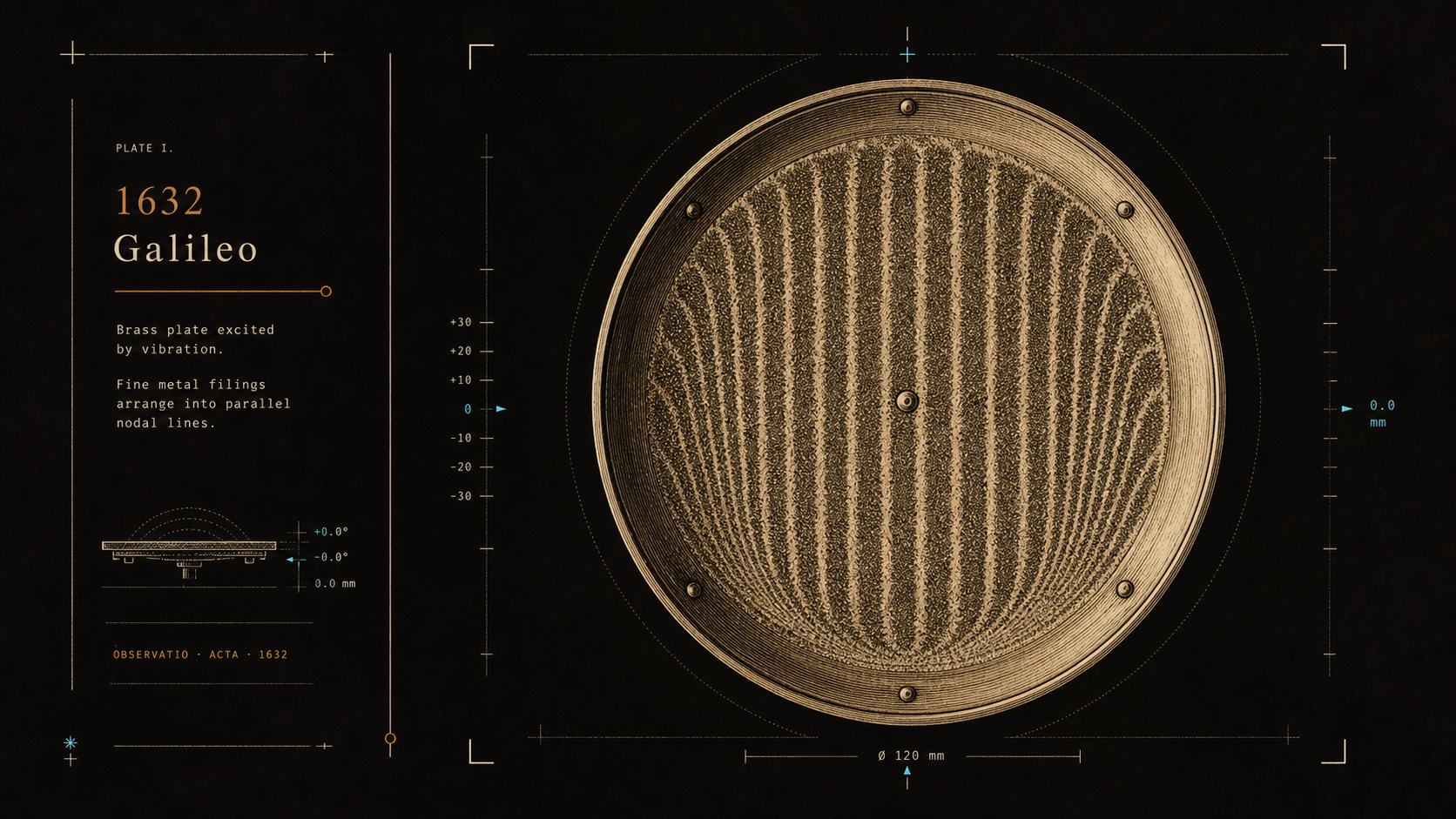
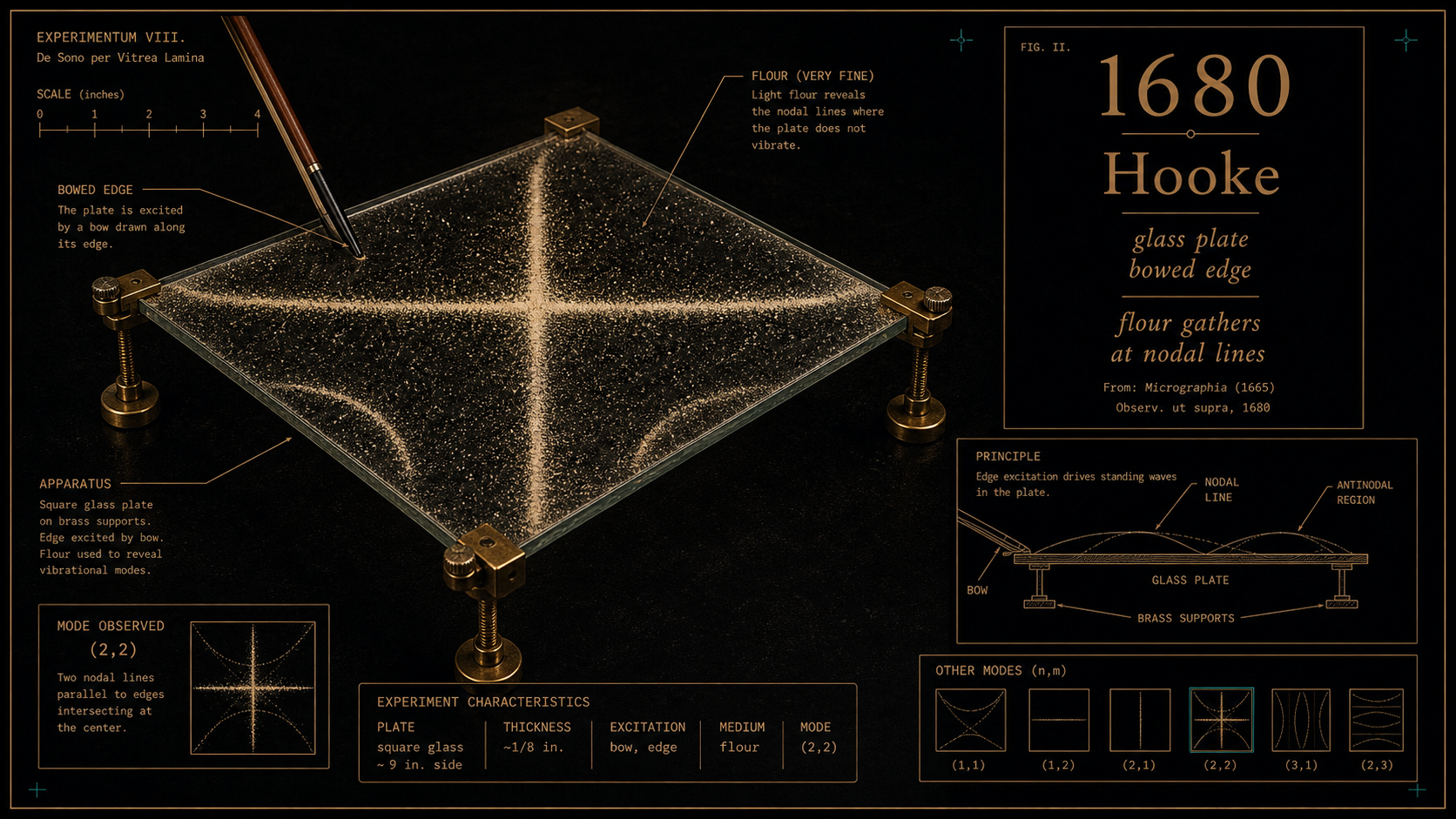
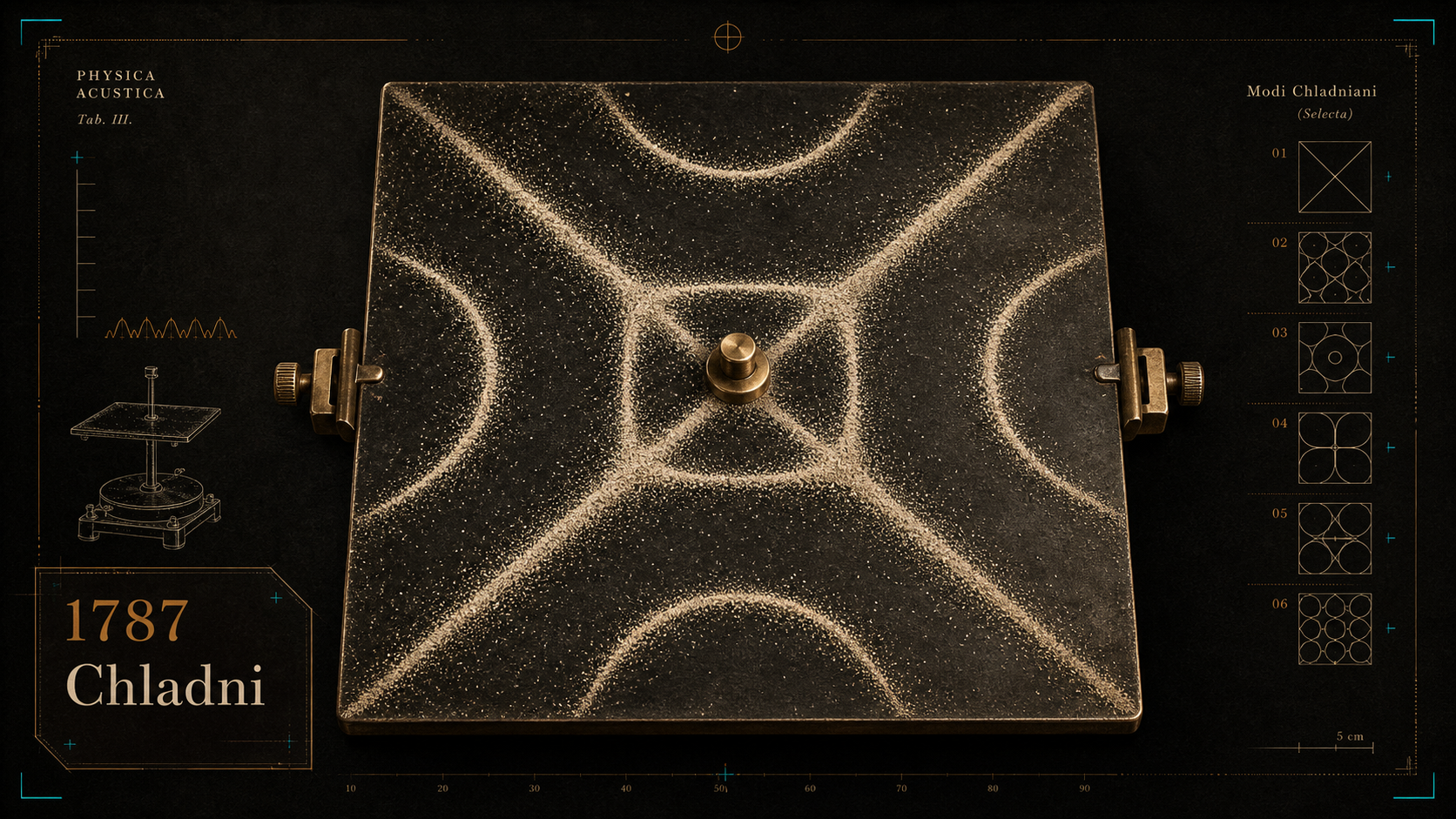
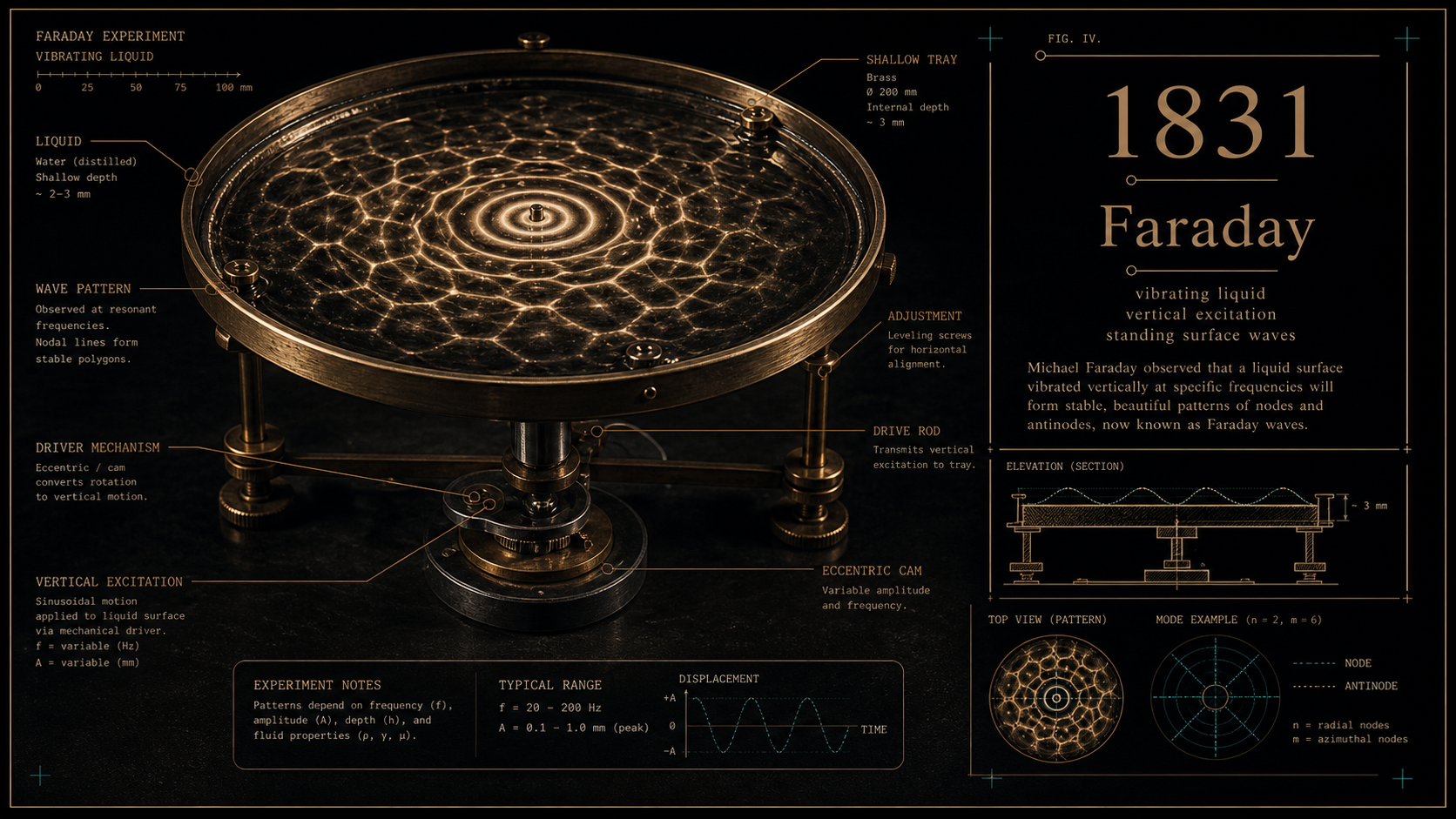
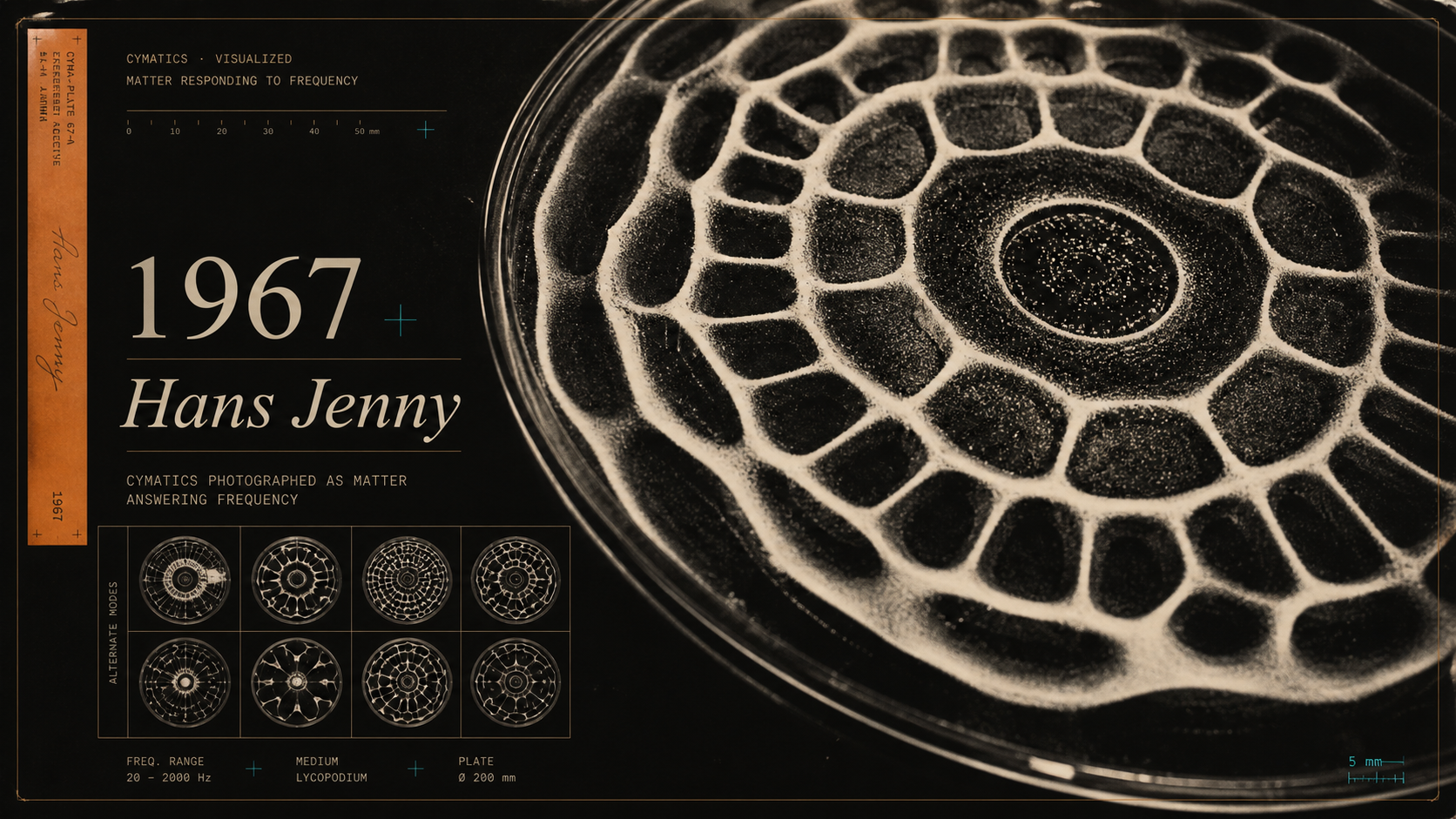
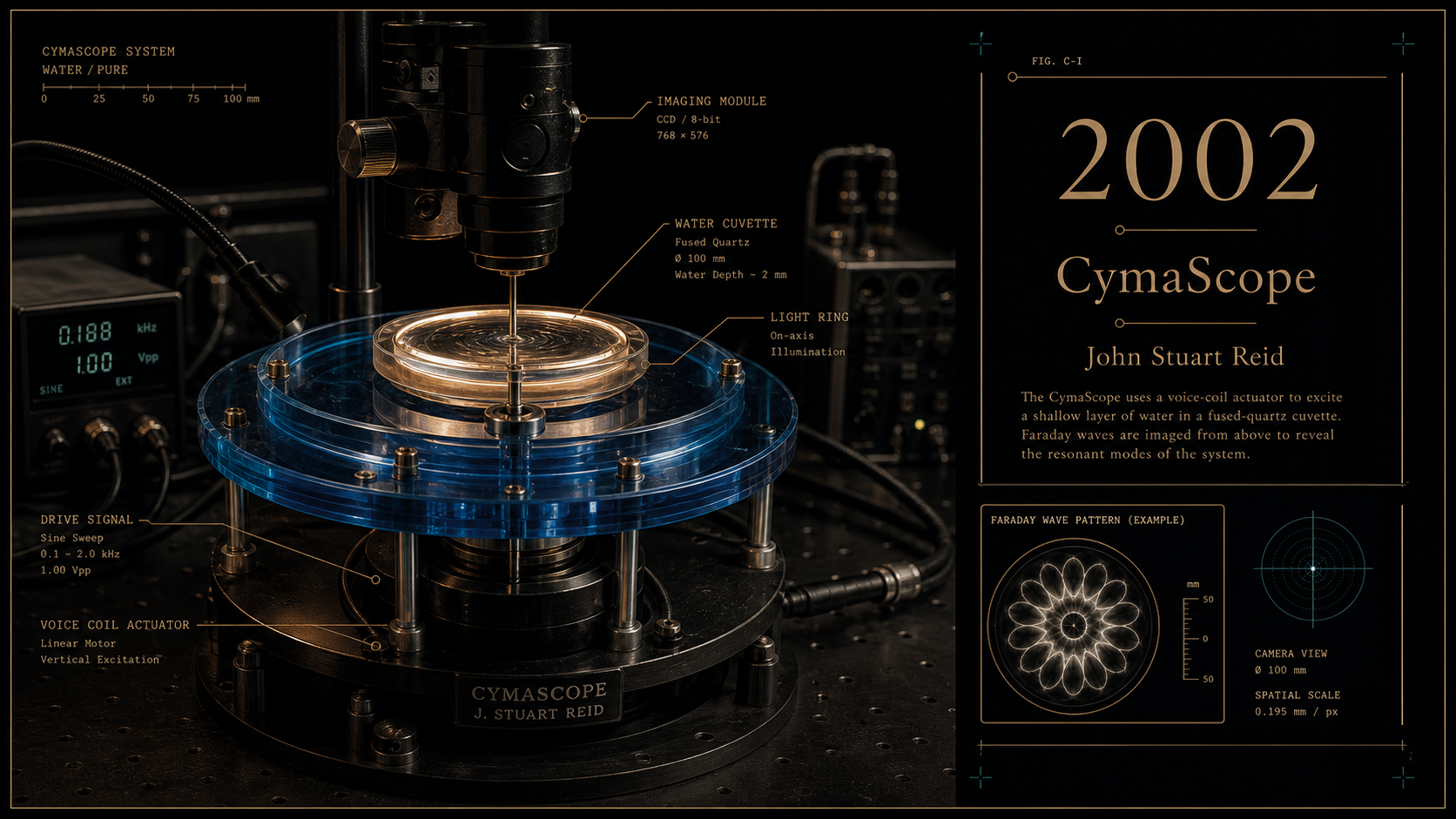
Cymatics

The GeometricLanguage of Sound

Cymatics emerge visibly as matter answers sound.

Baryon Pro

Free to explore. Licensed to perform.

Unlock output for live visual workflows.

Output bridges included
Monthly

Flexible access for active work.

Starting at
$25/mo minimum
  • Lifetime ownership after 12 paid months
  • 2 devices included
  • All desktop updates while active
  • OSC & MIDI parameter automation
  • Keep your latest eligible version after conversion
  • macOSandWindowssupport
Subscribe to Pro
Founder LicenseWindow Open
Perpetual

Get the Founder License & unlock exclusive future perks while supporting the startup.

Starting at
$200minimum
  • Lifetime Baryon Pro desktop access
  • 2 devices included
  • Includes 1 year of updates from activation
  • OSC & MIDI parameter automation
  • Surprise founder perks
  • macOSandWindowssupport
Get Founder License
CUSTOM LICENSING

Redistribution, embedding, OEM, hosted-service, or multi-seat product terms.

Email:licensing@baryon.live

Not ready to choose a license? Try Baryon Pro free in the desktop app.

Try for free
Stay Tuned

Drive Baryonwith your sound

Release notes, new features, and occasional product news from Baryon.

FAQ

Everything You're Wondering

  • Baryon is the cymatic render engine for live sound and spatial media. It turns any audio into an audioreactive 3D cymatic field.

  • Baryon visualizes cymatics in 3D using its render engine. If you came looking for a cymatic visualizer, Baryon is the live 3D version. Feed it any sound, and it turns that sound into cymatic shapes.

  • Cymatics is the study of visible effects of sound and vibration. For example, sand on a Chladni plate, ripples in water from sound, or standing-wave shapes are forms of cymatics. Baryon takes that idea into software, using sound to shape a live 3D field.

  • Baryon starts with the live signal and interprets it as resonant modes. It tracks each mode's frequency, damping, and phase, then renders their interference as one volumetric cymatic field.

  • Music visualizers and VJ tools are expressive performance instruments. Baryon is a cymatic source for that world: it generates visual form from the structure of the sound, then lets artists use it inside broader live-visual workflows.

  • Yes. If you capture a still or video from Baryon with your own music, you can upload that finished work. Baryon does not claim your audio or your capture. Personal, non-commercial use is fine; paid shows, festivals, client work, embedding, or redistribution need licenses.

  • Yes. Use Baryon as a live visual source alongside the tools that handle stage output, mapping, switching, and compositing.

  • Baryon Desktop is the app version of Baryon, free to download for macOS, Windows, and Linux. Listener Mode works like the web app. Performer Mode is for VJing, with Syphon and Spout output plus OSC and MIDI controls; it requires Baryon Pro and is not supported on Linux yet.

  • Yes. Every download includes a 10-day Baryon Pro trial. Start it from the License panel inside the app — no account needed — and it unlocks Performer Mode, stage output, and OSC and MIDI control for 10 days.